

If you live in a 700-square-foot urban apartment, every plush toy is a squatter. You start with one sentimental bear, and before you know it, a colony of polyester-filled creatures has staged a hostile takeover of your living room sofa. Most "stuffed animal storage ideas" you find online are aesthetically pleasing lies—white-washed nurseries that clearly don't house a child who owns forty-two Squishmallows and a life-sized IKEA shark.
I’ve spent the last decade obsessing over spatial efficiency. I’ve tried the hammocks (they sag), the "toy zoos" (they take up too much floor space), and the vacuum bags (which turn your plushies into wrinkled, sad pancakes). If you’re an adult collector or a parent fighting the "toy-pocalypse" you don't need fluff. You need a ruthless, data-backed system to reclaim your square footage without treating your collection like trash.

The Science of the "Soft Toss": Why the Rope Blanket Basket Wins
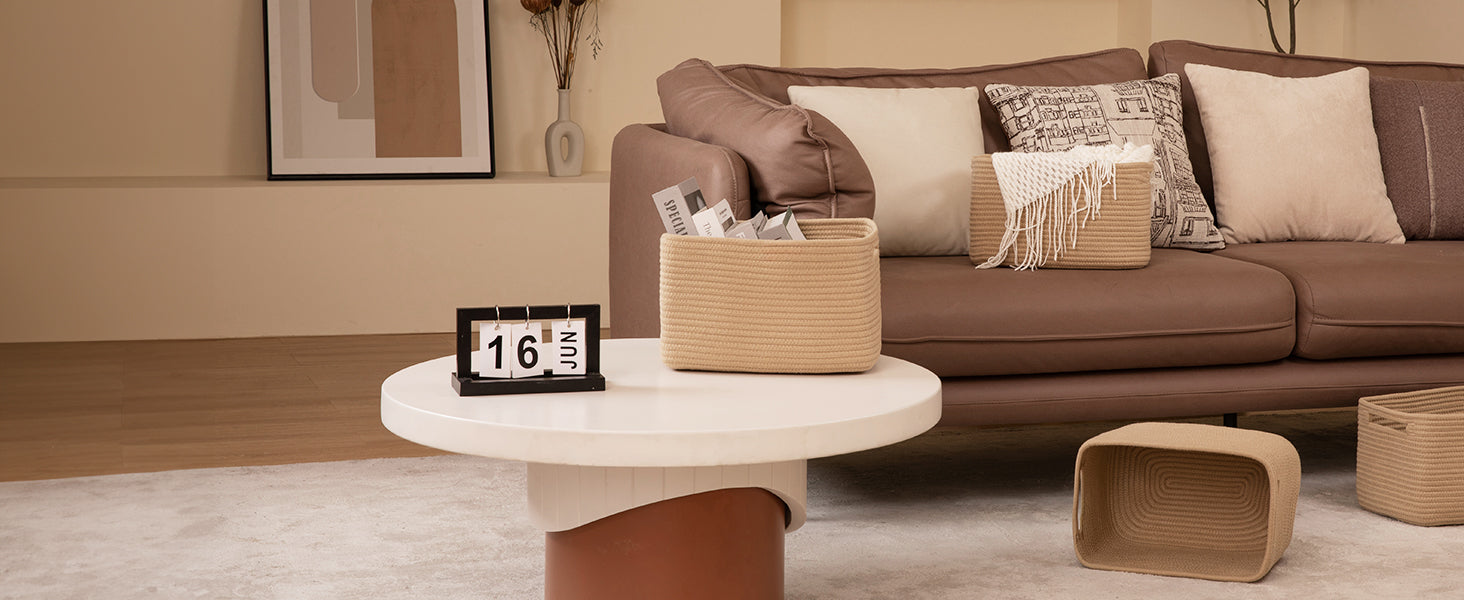
When we talk about bedroom stuffed animal storage ideas, we usually fight between two extremes: hiding everything in a dark closet or displaying it all on a shelf. The middle ground—and the most functional tool in my arsenal—is the oversized cotton rope basket. Traditionally marketed as a "rope blanket basket," these vessels are the unsung heroes of plush management.
Why? Because stuffed animals are structurally non-conformists. They are lumpy, awkward, and refuse to be stacked. A rigid plastic bin is a death sentence for a plushie's lifespan; it traps moisture and offers zero "give." A rope basket, however, expands slightly to accommodate that one extra dinosaur. It breathes. It’s soft enough that a toddler won’t get a concussion if they fall onto it, yet sturdy enough to hold its shape when empty. More importantly, it bridges the gap between "nursery decor" and "adult living room."
Categorizing Your Collection: The "Active" vs. "Archival" Split
Before you buy a single toy storage basket, you must perform a brutal audit. The primary reason storage systems fail is that we try to treat "Sleepy Time Bear" (which is used every night) the same way we treat a souvenir penguin from a 2018 zoo trip. I categorize plushies into three tiers: The Inner Circle (Daily use), The Rotators (Seasonal/Playtime), and The Archive (Sentimental/Collector).
For the Inner Circle, accessibility is the only metric that matters. These toys should live in low-slung, open-top containers. If a child has to dig through a lid and three layers of junk to find their favorite fox, they will simply dump the entire contents on the floor. An open-top cotton rope basket allows for a "grab and go" workflow that actually stays organized because the "putting away" part takes exactly one second.
Adult collectors, on the other hand, face the "Dust Tax." If you are collecting high-end plushies or designer toys, open storage is your enemy. Dust isn't just unsightly; its microscopic jagged edges can actually degrade synthetic fibers over time. For this demographic, I recommend glass-fronted cabinets for primary displays, supplemented by breathable baskets for the "work-in-progress" items that haven't yet found a permanent shelf.
Verticality and the Death of Floor Space
In a small apartment, the floor is the most expensive real estate you own. If your bedroom stuffed animal storage ideas involve everything sitting on the carpet, you’ve already lost the war. You have to look up. However, the traditional "stuffed animal hammock" is a polarizing choice. While it utilizes the corner, it often becomes a dusty "toy grave" where the ones at the bottom are never seen again.
A more sophisticated approach involves wall-mounted "cages" or floating shelves with high lips. For parents, I’m a fan of the behind-the-door clear pocket organizer. It’s cheap, it’s ugly, but it’s incredibly effective for small-to-medium plushies. Each toy gets its own "condo," making it easy for a child to see their entire inventory without touching anything else. It turns a useless door into a high-density storage hub.

If you hate the look of door organizers, consider the "Picture Rail" method. Usually used for books, these slim shelves are perfect for propping up plushies in a single-file line. It creates a "parade" effect along the top of the room. This works exceptionally well for adult collectors who want to showcase their collection as a curated border rather than a chaotic pile. It’s sophisticated, out of reach of pets, and utilizes the "dead space" above window frames.

The Hidden Pitfalls of the "Toy Zoo"
You’ve seen them: those wooden crates with bungee cords that look like a literal zoo cage. On paper, they’re brilliant. You can pull any toy out from the middle without disturbing the rest. In reality? They are floor-space hogs. Most "Toy Zoos" have a footprint of at least 2x2 feet. In a 10x10 bedroom, that’s a significant chunk of the walkable area.
Furthermore, the bungee cords eventually lose their elasticity. Once those cords go limp, your "zoo" becomes a leaky bucket. If you’re set on this look, I suggest building a DIY version that is wall-mounted. Lift it six inches off the floor so you can at least slide a vacuum or a slim toy storage basket underneath. Never give up your floor space for a static furniture piece if a wall-mounted alternative exists.
Material Matters: Why Plastic is the Enemy of Plush

I have a visceral distaste for clear plastic tubs for long-term plush storage. Beyond the aesthetic "storage unit" vibe they give off, plastic is non-porous. Stuffed animals, particularly those that have been hugged, drooled on, or dragged through the grass, carry moisture. When you seal that moisture into a plastic bin, you are creating a petri dish for mildew and that specific "old toy" musty smell.
This is where the textile-based toy storage basket proves its worth. Materials like cotton rope or heavy canvas allow for airflow. If a plushie is slightly damp from a recent "tea party" or a wash, it won't fester in a rope basket. Additionally, textiles don't crack. I’ve seen countless plastic bins shatter at the corners after a child decided to use them as a stepping stool. A rope basket simply squishes and bounces back.
For those of you dealing with high-end materials—think mohair or vintage wool—breathability isn't just a "nice to have," it's a conservation requirement. If you are an adult collector, look for baskets lined with acid-free fabric. Avoid anything with a heavy chemical dye smell, as those VOCs (Volatile Organic Compounds) can off-gas and discolor your collectibles over several years.
Managing the "Giant" Plushie Problem
Every family has one. The four-foot-tall teddy bear from a well-meaning aunt that occupies as much space as a grown human. You can't put it in a toy storage basket, and it’s too heavy for a wall shelf. These are the "Elephant in the Room" problems that most blogs ignore. My incisive advice? If it doesn't have a "job," it needs to go.
A "job" for a giant plushie is acting as furniture. Use it as a backrest for a reading nook or a floor cushion. If it's just sitting in a corner gathering dust, it's not a toy; it's a decorative burden. For those who absolutely cannot part with them, consider the "Bean Bag Cover" hack. You can buy empty bean bag shells and stuff them with your excess plushies. This turns a storage problem into a functional piece of seating. Just be warned: the resulting bean bag will be lumpy, so it's better for a "chill zone" than a primary chair.
The Psychological Impact of Organized Play
We often overlook the fact that storage dictates behavior. When a child's toys are in a chaotic, tangled heap, their play tends to be more frantic and less focused. By implementing a tiered system—using a toy storage basket for the "active" toys and shelving for the "specimen" toys—you are teaching them how to prioritize and value their belongings.
For adult collectors, organization is the difference between a "collection" and a "clutter problem." There is a psychological weight to seeing a pile of unorganized items. By using structured, high-quality containers like a weighted rope basket, you signal to yourself (and your guests) that these items are curated. It’s the difference between a museum and a garage sale.
Final: Curate or Suffocate
The "perfect" stuffed animal storage idea doesn't exist; only the one that fits your specific square footage and tolerance for clutter. If you are in a small apartment, your mantra must be Verticality + Breathability.
-
Purge the filler. If it hasn't been touched in six months, Instead of letting them sit in a corner collecting dust, it's better to donate them to those in need.
-
Invest in "Give." Use cotton rope baskets for your daily-use items. They are forgiving, stylish, and durable.
-
Go High. Use picture rails or wall-mounted systems for the "look but don't touch" items.
-
Double Duty. If a storage solution doesn't also function as decor or furniture, it’s taking up too much space.
Stop letting the plushies win. You pay the rent; they don't. It’s time to put them in their place—preferably in a stylish, breathable basket that doesn't make your bedroom look like a bargain bin at a toy store.